
Los Angeles Rain Driving Safety: Why the First Storm Is the Most Dangerous
Introduction
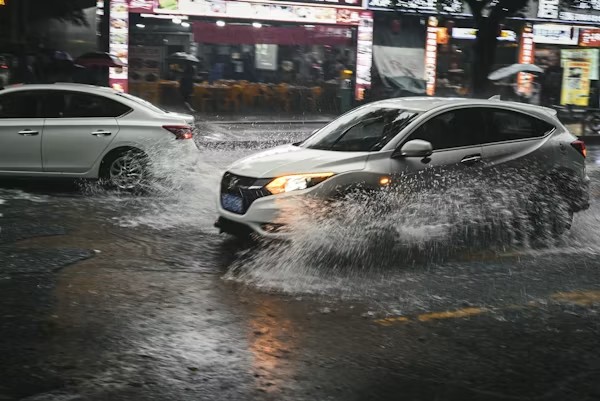
Why does a light drizzle cause more crashes in Los Angeles than a full downpour does in Seattle? The answer comes down to preparation, not rainfall totals. Los Angeles averages roughly 35 rainy days a year, and the first real storm of the season reliably produces a measurable spike in collisions across the county. Months of dry weather let oil, rubber, and grime build up on the pavement, and the moment water hits the road, that residue turns into a slick, nearly invisible film. Add drivers who haven't practiced wet-weather habits in months, and you get one of the most dangerous driving days of the year. This guide breaks down why LA rain is uniquely risky, how to prepare your vehicle before the clouds roll in, what to do while you're driving, and how to protect yourself if a wet-weather crash happens anyway.
Why LA Rain Is Different
Los Angeles doesn't get rain often, and that's exactly the problem.
Why is the first rain of the season so dangerous in LA? The first rain is dangerous because months of dry pavement accumulate oil and rubber residue that turns slippery the instant it gets wet, before rain has a chance to wash it away.
- Long dry stretches build up oil residue on road surfaces
- Sun-bleached lane markings become hard to see once wet
- Surface streets flood at known intersections, including the Sepulveda Basin, La Brea south of Olympic, and La Cienega north of Jefferson
- Most commuters drive on tires worn well past optimal tread depth
Before You Drive: Preparing Your Vehicle
A few minutes of preparation before a storm can prevent a crash entirely.
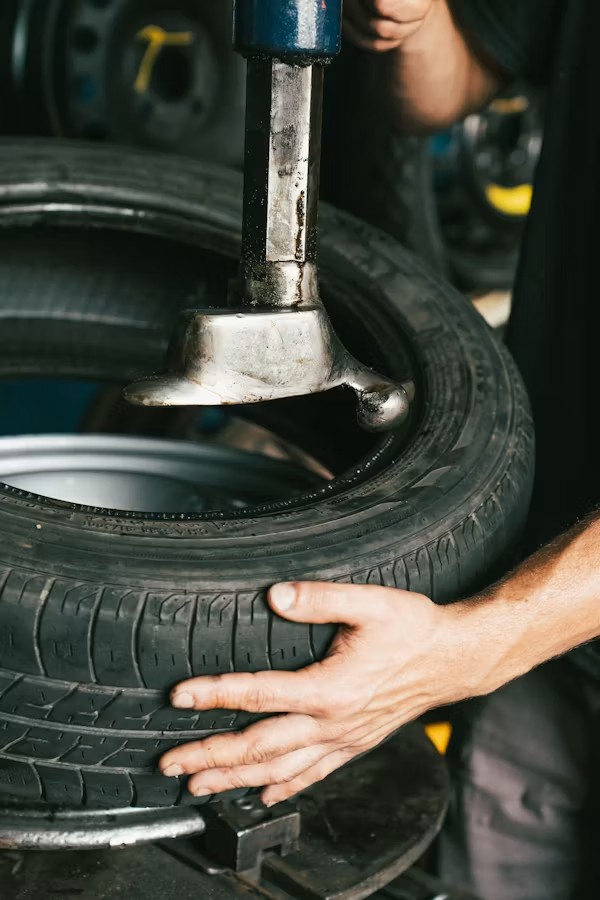
- Check tire tread with a quarter — Washington's head should be partially obscured
- Replace wiper blades if they streak or chatter
- Top up washer fluid, since road grime roughly triples in the rain
- Confirm all exterior lights work, including taillights
While You Drive: Safe Habits for Wet Roads
What should you do if your car starts to hydroplane? Ease off the gas, avoid braking hard, and steer gently in the direction you want to go until the tires regain contact with the road.
- Double your normal following distance
- Brake earlier and more gently, since sudden stops trigger ABS on wet pavement
- Avoid cruise control on wet roads
- If you hydroplane, ease off the gas, do not brake hard, and steer where you want to go
Comprehensive vehicle repair services California drivers rely on start with prevention, but even careful drivers can end up in a wet-weather collision.
After a Wet-Weather Crash
Document the road conditions in your photos: standing water, faded paint, and any visible oil sheen. These details matter because they support your claim if liability becomes contested with an insurance company. Once you're safe, call a shop that handles both the tow and the repair. Collision Pros offers 24-hour towing and directs your vehicle straight into the shop, so you're not left coordinating multiple vendors after an already stressful day.
If you're rebuilding your emergency kit for storm season, we covered the essentials in our guide to preparing your car for winter weather.
Prevention Is the Real Win
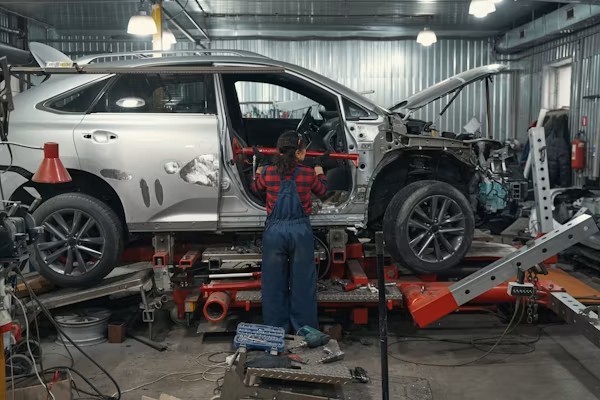
Most rain-related crashes are preventable with five minutes of preparation. Check your tires this week, not after the storm starts. And if the worst does happen, working with trusted collision repair services California drivers trust means your vehicle is back on the road faster, with an accurate, insurance-ready damage assessment.
Key Takeaways
- The first rain after a long dry spell is the most dangerous driving day in Los Angeles because oil and rubber buildup turns roads into a slick film.
- Worn tires, faded lane markings, and flood-prone intersections compound the risk across LA surface streets and freeways.
- Doubling following distance, braking earlier, and avoiding cruise control are the most effective in-the-moment safety habits.
- If you hydroplane, ease off the gas and steer straight — never slam the brakes.
- After a wet-weather crash, photograph road conditions immediately, since standing water and oil sheen can support your insurance claim.