Complete Collision Repair Explained: What Every Driver Should Know
Getting into a car accident is stressful enough without having to decode confusing repair terms and insurance jargon afterward. Many drivers assume that fixing a car after a collision simply means hammering out a dent and applying fresh paint. In reality, a proper repair is a detailed, multi-stage process designed to restore your vehicle to its pre-accident condition, both structurally and cosmetically. Whether your car has minor bumper damage or significant frame issues, understanding what a complete repair actually involves can help you make smarter decisions, communicate better with your shop, and get back on the road with confidence. In this guide, we'll walk through the entire repair journey step by step, explain what to look for in a trustworthy shop, and answer some of the most common questions drivers have after an accident.
What Is Complete Collision Repair?
Complete collision repair refers to the full process of restoring a vehicle after an accident, addressing both structural damage and cosmetic imperfections. It typically includes frame straightening, panel replacement or repair, paint matching, and a final quality inspection to confirm the vehicle is safe to drive.
Unlike a quick cosmetic touch-up, this type of repair considers everything the crash may have affected, including the frame, suspension, airbags, sensors, and electrical systems. A vehicle that looks fine on the outside can still have hidden structural issues if it isn't inspected thoroughly.
This is why choosing a shop that specializes in complete collision repair matters just as much as the repair itself.
Why Does the Repair Process Take Multiple Steps?
Modern vehicles are built with complex safety systems, layered materials, and precise engineering tolerances. Skipping steps or rushing the process can compromise how well your car protects you in a future accident. That's why reputable shops break the job into distinct stages rather than treating it as a single task.
1. Damage Assessment and Estimate
The first step is a detailed inspection to identify both visible and hidden damage. Technicians often use diagnostic scanning tools to check for issues with airbags, sensors, and onboard computer systems, especially in newer vehicles with advanced driver-assistance features.
2. Disassembly
Before repairs begin, damaged parts are removed so technicians can get a clear view of the full extent of the damage. This step often reveals additional issues that weren't obvious during the initial inspection.
3. Structural and Frame Repair
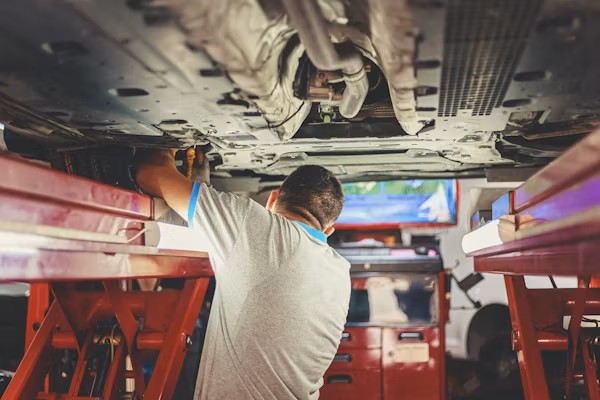
If the vehicle's frame or unibody has shifted, it needs to be measured and realigned using specialized equipment. This step is critical for safety, as a misaligned frame can affect handling, airbag deployment, and crash protection in future incidents.
4. Body Repair and Panel Replacement
Dented or damaged panels are either repaired or replaced entirely, depending on the severity of the damage. Technicians work to match the manufacturer's original specifications as closely as possible.
5. Paint Matching and Refinishing
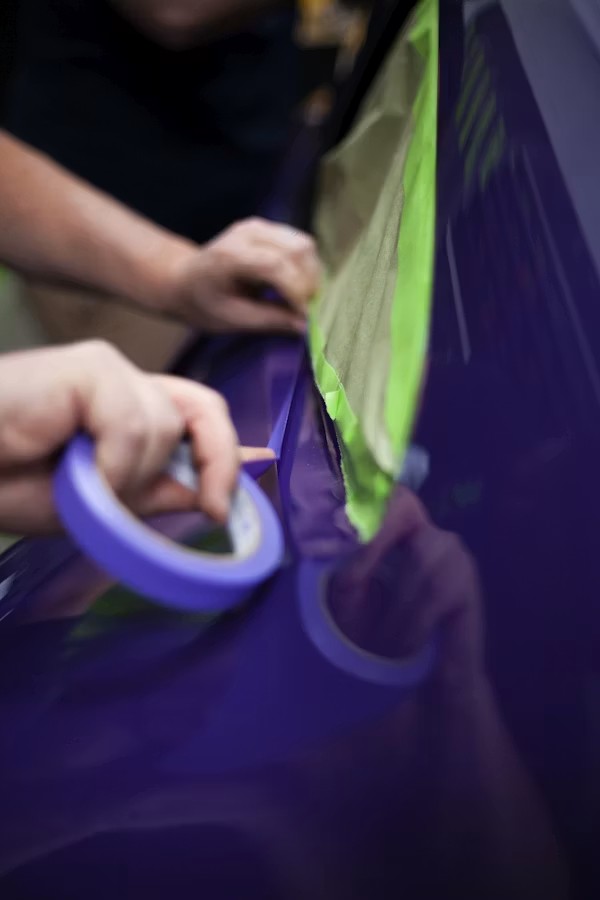
Achieving a seamless paint match is both an art and a science. Shops use computerized color-matching systems to blend the new paint with your vehicle's existing finish, so repaired areas are virtually undetectable.
6. Reassembly and Quality Inspection
Once repairs are complete, all components are reinstalled, and the vehicle undergoes a final inspection. This includes test drives, alignment checks, and safety system verification to confirm everything functions as it should.
How Does This Affect Your Safety and Vehicle Value?
Skipping steps or choosing a shop that cuts corners can have long-term consequences. A poorly repaired frame can affect how your car performs in a future collision, while mismatched paint or panel gaps can reduce resale value. Comprehensive auto body repair in California drivers can rely on should always prioritize safety and precision over speed.
It's also worth noting that insurance companies may recommend certain shops, but you generally have the right to choose your own repair provider. Doing your research ahead of time, rather than during a stressful post-accident moment, can save you time and frustration later.
If you're looking into your options, our full range of repair and maintenance services can give you a better sense of what a professional, full-service shop typically offers beyond just bodywork.
What Should You Look for in a Repair Shop?
Not all shops offer the same level of expertise or equipment. Here are a few things worth checking before committing to collision repair services:
- Certifications: Look for manufacturer or industry certifications that confirm proper training.
- Warranty: A reputable shop should stand behind its work with a written warranty.
- Equipment: Ask whether the shop has frame-measuring and diagnostic scanning tools on-site.
- Reviews: Check online reviews and ask for references from past customers.
- Communication: Choose a shop that explains the process clearly and keeps you updated throughout.
A common question drivers ask is, "Where can I get complete collision repair in California?" The answer usually comes down to finding a shop with proven experience, transparent communication, and the right equipment to handle both structural and cosmetic repairs under one roof.
Practical Tips for a Smoother Repair Experience
- Take photos of the damage immediately after the accident for your records.
- Ask for a written estimate before authorizing any work.
- Confirm whether OEM (original manufacturer) parts or aftermarket parts will be used.
- Keep copies of all paperwork, including the repair invoice and warranty details.
- Don't hesitate to ask questions if any part of the process is unclear.
If you're dealing with more extensive collision damage repair in California regulations and insurance processes can sometimes complicate, working with a shop that handles both the repair and the paperwork can make the entire experience far less stressful.
For more driving and vehicle maintenance tips, feel free to browse our blog for additional resources.
Key Takeaways
- Complete collision repair covers everything from frame straightening to paint matching, not just visible dents.
- A proper repair process protects your car's safety systems, resale value, and long-term performance.
- Choosing a certified, experienced shop matters more than choosing the cheapest quote.
- Understanding each repair stage helps you ask the right questions and avoid unnecessary delays.
Ready to get your vehicle back to pre-accident condition? Contact us today to schedule an inspection and get a clear, honest estimate for your repair.