Auto Paint Refinishing vs. Touch-Up Paint: Which Is Better?
A scratch or paint chip may seem like a minor cosmetic problem, but untreated paint damage can become more noticeable and may expose the underlying surface. When considering auto paint refinishing in California, vehicle owners often wonder whether professional refinishing is necessary or whether touch-up paint will be enough. Both options have their place, but they are designed for different types of damage. Understanding the differences can help vehicle owners choose a repair that suits the condition of the vehicle, expected finish, and budget.
What Is Auto Paint Refinishing?
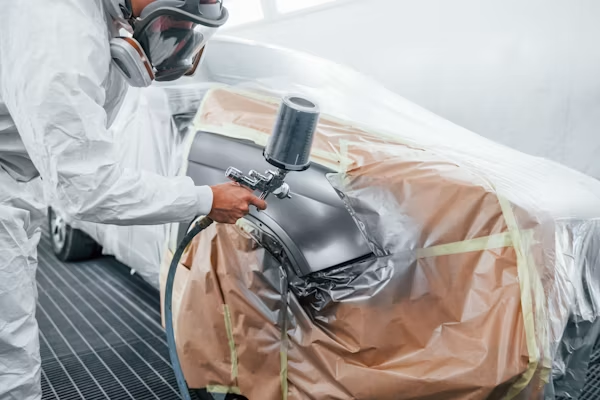
Auto paint refinishing is a professional repair process used to restore the appearance of damaged, faded, or deteriorated vehicle paint. Depending on the condition of the panel, the process may involve cleaning, sanding, surface preparation, primer application, colour matching, paint application, and clear coating.
The objective is to create a consistent finish that blends with the surrounding areas of the vehicle.
When is professional refinishing appropriate?
Professional refinishing may be a better option when:
- A scratch covers a large section of a panel
- Paint has peeled, faded, or oxidised
- Damage extends through several paint layers
- A previous repair has left a visible colour difference
- Collision damage has affected the body and paint
- The vehicle owner wants a more uniform appearance
A professional repair addresses the condition of the surface before new paint is applied. This is important because simply covering damaged paint may leave imperfections visible underneath the new coating.
What Is Touch-Up Paint?
Touch-up paint is intended for small, isolated areas of paint damage. It is commonly used for stone chips, tiny scratches, and other minor imperfections. Depending on the product, it may be applied using a small brush, pen, or similar applicator.
Touch-up paint can be a practical solution when the surrounding paint remains in good condition, and the damaged area is limited.
When should touch-up paint be considered?
Touch-up paint may make sense when:
- The damage is small and localised
- The surrounding paint has not significantly faded
- The correct colour code is available
- The primary goal is to make a minor defect less visible
- A complete panel repair would be unnecessary
However, touch-up paint may not perfectly replicate the finish produced by professional spraying and blending. Metallic, pearl, and other specialty finishes can be particularly difficult to reproduce with a small applicator.
Auto Paint Refinishing vs. Touch-Up Paint
The best approach depends on the size, depth, and location of the damage. The following comparison provides a quick overview.
| Factor | Touch-Up Paint | Professional Refinishing |
|---|---|---|
| Best suited for | Small chips and scratches | Larger or widespread damage |
| Application | Small-area application | Professional spray application |
| Preparation | Usually limited | Detailed surface preparation |
| Colour consistency | Can vary | Professional colour matching |
| Finish | May remain noticeable | More uniform appearance |
| Cost | Generally lower | Higher, depending on damage |
| Best for | Minor cosmetic defects | Panel restoration and major paint damage |
For drivers comparing car paint refinishing in California with touch-up paint, the condition of the entire panel should be considered. A repair that looks appropriate for a tiny chip may not be suitable for a large scratch or faded panel.
Why Colour Matching Matters
Vehicle paint is not always as simple as selecting a colour from a catalogue. Modern vehicles can use metallic, pearl, tri-coat, and other finishes. Environmental exposure can also change how older paint looks compared with its original factory colour.
Even when the correct factory colour code is available, a touch-up product may appear slightly different from the surrounding surface.
Professional refinishing can provide access to colour-matching equipment and controlled application techniques. This can make a significant difference when a repair covers a visible section of a vehicle.
How to Choose the Best Auto Paint Refinishing Shop
For anyone asking, "How do I choose the best auto paint refinishing shop?", several practical factors should be considered before authorising work.
Look for a repair facility that can provide:
- A clear assessment of the damage
- A detailed written estimate
- Information about the paint and materials being used
- Evidence of appropriate repair experience
- Details about warranty coverage
- Clear communication about the expected completion time
- Proper colour-matching procedures
California's Bureau of Automotive Repair recommends choosing a licensed auto repair shop and notes that consumers should receive an estimate before repairs begin. Customers must also authorise repairs, and additional work requires further authorisation.
California Bureau of Automotive Repair: Consumer Repair Guidance
Checking a shop's licence and understanding the proposed repair can help vehicle owners make a more informed decision.
Why Professional Preparation Makes a Difference
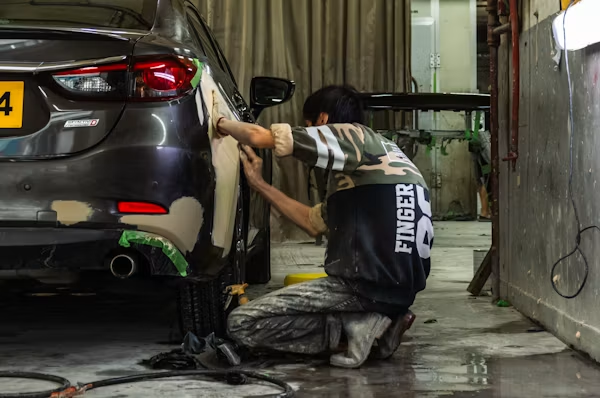
Paint refinishing is not simply the process of applying new colour to a damaged area. Surface preparation plays a major role in the final appearance.
Depending on the condition of the vehicle, technicians may need to remove damaged paint, smooth imperfections, prepare the surface, apply primer, match the colour, spray the paint, and finish with a clear coat.
Skipping preparation can leave scratches, uneven areas, or other imperfections visible after painting. Professional preparation therefore becomes especially important when repairing larger areas.
This is also why car paint restoration in California may involve more than simply correcting the visible defect. The surrounding surface and overall condition of the panel can influence the repair process.
A Professional Option for Paint Refinishing
Collision Pros provides automotive collision repair and paint refinishing services in California. Its services include paint refinishing, collision repair, paintless dent removal, and insurance claim assistance.
The company states that its paint refinishing process uses computer-matched paint formulas and professional materials. This approach can be useful for vehicles requiring a more consistent colour and finish across repaired areas.
Key Takeaways
- Touch-up paint is generally suitable for small chips, minor scratches, and isolated imperfections.
- Professional refinishing is better suited to larger damage, fading, peeling, or panels requiring colour blending.
- The right option depends on damage size, depth, surrounding paint condition, and the desired finish.
- A qualified repair shop can assess the damage and recommend the most appropriate solution.