
Auto Body Repair Guide: What Really Affects Your Estimate in 2026
Key Takeaways
- A scuffed bumper cover is often a simple repair, while a bumper packed with sensors can turn into a bigger job once recalibration is factored in.
- Doors take more labor than fenders because of the glass, wiring, and safety beams hidden inside them.
- Frame and structural repairs are measured against factory tolerances, not just judged by eye.
- Paint work scales with prep, blending, and finish quality, not just the number of panels involved.
- Hidden damage discovered during teardown is one of the most common reasons an estimate changes after work begins.
- Asking the right questions upfront leads to a far more accurate, stress-free repair experience.
You get the estimate back and it barely resembles what you pictured in your head. That reaction is common, and it rarely has anything to do with a shop padding the bill. More often, it's a handful of specific, predictable factors stacking on top of each other in ways most drivers never think about until they're staring at a repair order. Vehicles have changed a lot in the last few years: aluminium panels, sensor-packed bumpers, and stretched-out supply chains have all reshaped what a "typical" repair actually involves.
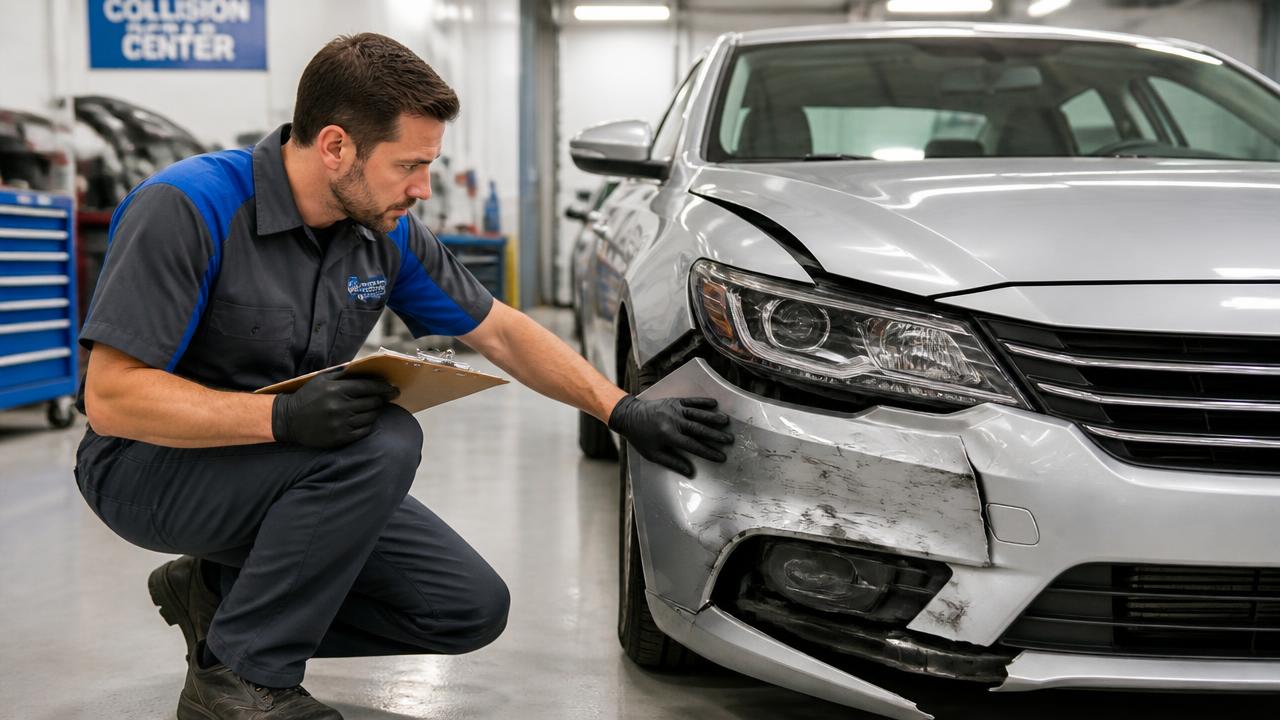
Part of the confusion comes from how differently damage can look versus how it actually behaves once a technician opens things up. A deep-looking scratch might be a quick cosmetic fix, while a bumper that looks perfectly fine on the surface might be hiding a cracked absorber or a sensor that's now out of alignment.
Without seeing the vehicle in person, it's genuinely hard to know which situation you're dealing with, which is exactly why two people with what looks like similar damage can walk away with very different repair plans. That's true whether you're getting collision repair across California or anywhere else, since the same handful of variables tend to drive every estimate.
The good news: most of what pushes a repair toward the higher or lower end of the range is predictable once you know what to look for. Below is a breakdown of how different repair categories are evaluated in 2026, along with the details that tend to move a job in one direction or the other.
Bumper Repair vs. Replacement
Not every damaged bumper needs a full replacement, and knowing the difference is the first thing worth understanding. A scuffed plastic cover with no structural damage is usually a straightforward repair-and-refinish job. Once the impact reaches the absorber, reinforcement bar, or mounting brackets, replacement becomes the safer route.
The detail that surprises the most people is sensor recalibration. Modern bumpers often house parking sensors, blind-spot modules, or adaptive cruise components, and swapping the part is only half the job. Those systems need to be recalibrated afterward so they keep functioning the way the manufacturer intended. According to NHTSA, driver assistance technologies are only effective when they're working as designed, which is exactly why skipping recalibration isn't really optional. A system that's slightly out of calibration doesn't always announce itself right away, but it can quietly affect how well those safety features perform when you actually need them.
Repair Complexity at a Glance
| Repair Category | Typical Turnaround | Complexity Level | Recalibration Likely? |
|---|---|---|---|
| Bumper cover (cosmetic) | 1–2 days | Low | No |
| Bumper replacement (sensor-equipped) | 2–4 days | Moderate | Yes |
| Fender replacement | 2–3 days | Moderate | Sometimes |
| Door repair/replacement | 3–5 days | Moderate–High | Sometimes |
| Frame/structural pull | 5–10+ days | High | Often |
| Single-panel repaint | 2–3 days | Low–Moderate | No |
Fender and Door Panel Work
Doors and fenders may look like similar sheet-metal parts from the outside, but they're priced and repaired very differently. A fender is largely a shaped panel bolted to the frame, which makes it a fairly contained job. A door, on the other hand, is closer to a small system of its own window mechanisms, speaker wiring, lock actuators, and a structural side-impact beam all have to come out and go back in correctly.
This is also where labour time outweighs parts cost. A shop can often source a replacement door panel fairly quickly, but transferring every piece of internal hardware and confirming it all still functions properly is what actually consumes the hours on the work order.
Frame and Structural Repair
This is the one category where corner-cutting simply isn't on the table. Structural repairs affect how a vehicle protects its occupants in the next collision, not just how straight it looks after this one. Unibody pulls on a frame rack, and anything involving crumple zones, require precise measurement and welding to OEM specifications.
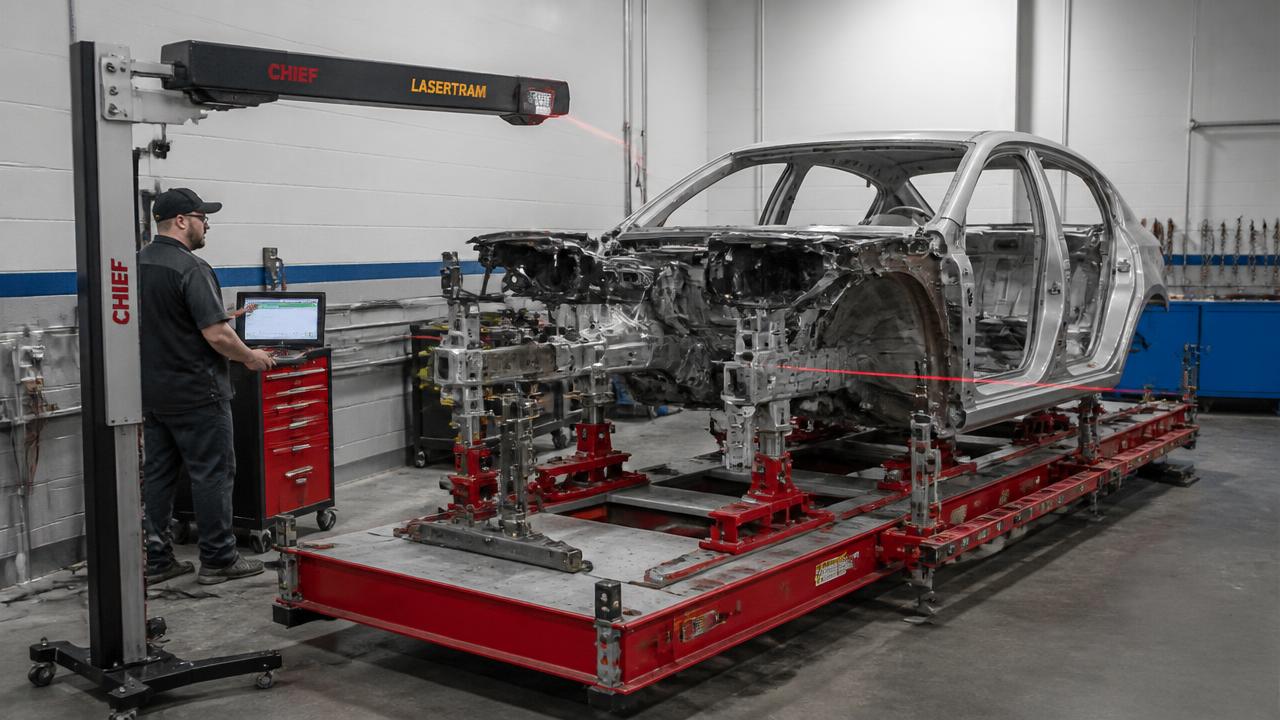
It's worth asking direct questions before agreeing to this kind of work. Ask whether the shop has access to a frame rack and factory measuring specs for your specific vehicle, and don't hesitate to ask to see the before- and-after measurements once the job is finished. Industry guidelines published by I-CAR exist precisely because structural work needs to follow vetted, vehicle-specific procedures rather than guesswork. A car that looks straight and a car that's actually back within factory tolerance aren't always the same thing.
Common Damage Types and What They Usually Signal
| Visible Damage | What It Often Means | Typical Next Step |
|---|---|---|
| Surface scuff, no cracking | Cosmetic only | Repair and refinish |
| Cracked bumper cover | Possible absorber damage | Inspect absorber, likely replace cover |
| Misaligned panel gaps | Underlying frame shift | Frame measurement on a rack |
| Warning light after impact | Sensor or ADAS misalignment | Diagnostic scan and recalibration |
| Door won't latch smoothly | Frame or hinge distortion | Structural inspection |
Paint Work
Paint pricing and timing depend heavily on how much of the vehicle is involved and how closely the finish needs to match the factory original. A single-panel respray with blending into adjacent panels is common after a minor collision. A full repaint is a different animal entirely basic single-stage jobs get a car road-ready in a solid, even colour, while show-quality multi-stage finishes involve a base coat, clear coat, and extra steps to replicate factory effects like pearl or metallic finishes.
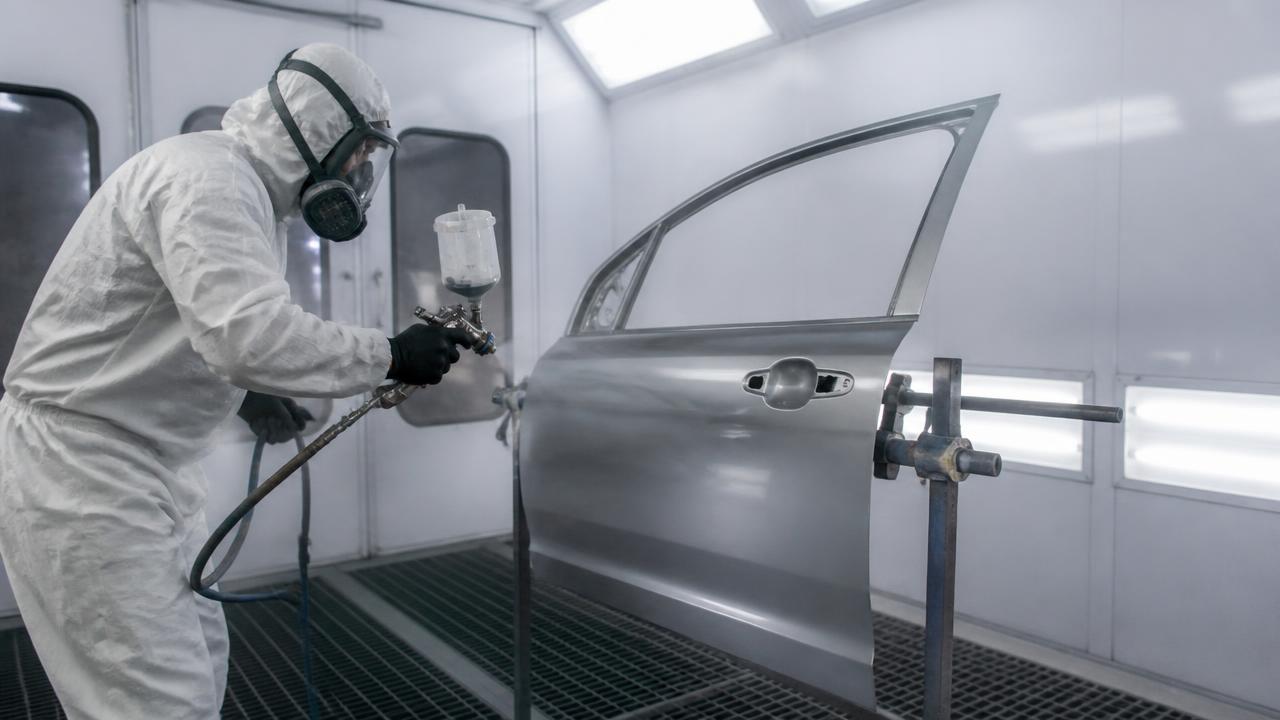
For most drivers dealing with insurance-covered work, a single panel or partial repaint is far more common than a full vehicle job. Full repaints tend to come up when someone is restoring an older vehicle, dealing with widespread fading or clear-coat failure, or simply going for a colour change.
What Actually Shapes an Estimate
A handful of factors show up on nearly every estimate, and they're worth understanding before you get one:
- Whether OEM or aftermarket parts are being quoted
- Regional labour rates, which vary by shop and market
- Whether ADAS recalibration is required for the repair
- Hidden damage discovered once a panel comes off
That last point is often the biggest wildcard. A shop can't always see everything that's wrong until teardown begins, which is exactly why an initial estimate can shift once work is underway.
If you're going through insurance, there's a related factor worth knowing: the gap between an insurer's preferred estimate and what the shop finds once the vehicle is apart. It's common for an adjuster's initial number to be based on a visual inspection alone. Once a bumper or panel comes off and additional damage turns up, that's typically submitted to the insurance company as a supplement, not billed directly to the vehicle owner. Understanding that this is a normal part of the process rather than a sign something's gone wrong can save you a stressful phone call later.
Getting an Estimate, You Can Trust
A drive-in estimate typically takes about 20 minutes and gives you a real number instead of a guess over the phone. A few habits make that number more reliable:
- Bring photos if you have them, especially from right after the damage happened
- Ask the shop to walk through every line item on the estimate
- Ask directly whether OEM or aftermarket parts are being quoted
- Ask whether ADAS recalibration is included or billed separately
It's also worth thinking about timeline, not just scope. A bumper repair or single-panel job might have your vehicle back in a few days, while structural work, a full repaint, or specially-ordered parts can stretch that out considerably. An estimate you actually understand, line by line, is worth far more than one that just hands you a total.
Whatever category your repair falls into, working with a shop that explains its process clearly makes the whole experience less stressful. Collision Pros walks every customer through their estimate in person, handles insurance communication directly, and only recommends the level of repair a vehicle actually needs.