
ADAS Calibration After a Collision: Why It Matters for Modern Vehicle Safety
Key Takeaways
- A collision can change the position or operating conditions of cameras, radar, and other ADAS components even when the damage looks minor.
- ADAS calibration helps restore sensors and cameras to the vehicle manufacturer's required alignment and operating specifications.
- Windshield replacement, bumper work, suspension repairs, wheel alignment, and body repairs can all create situations where calibration may need to be checked.
- Static calibration uses controlled targets in a repair facility, while dynamic calibration uses a road test and vehicle diagnostic equipment; some vehicles require both.
- Drivers should ask whether the repair shop follows manufacturer procedures and whether calibration results are documented.
If you are researching adas calibration in california, remember that calibration should be approached as part of the broader collision-repair and vehicle-safety process.
ADAS Calibration After a Collision: What Drivers Should Know
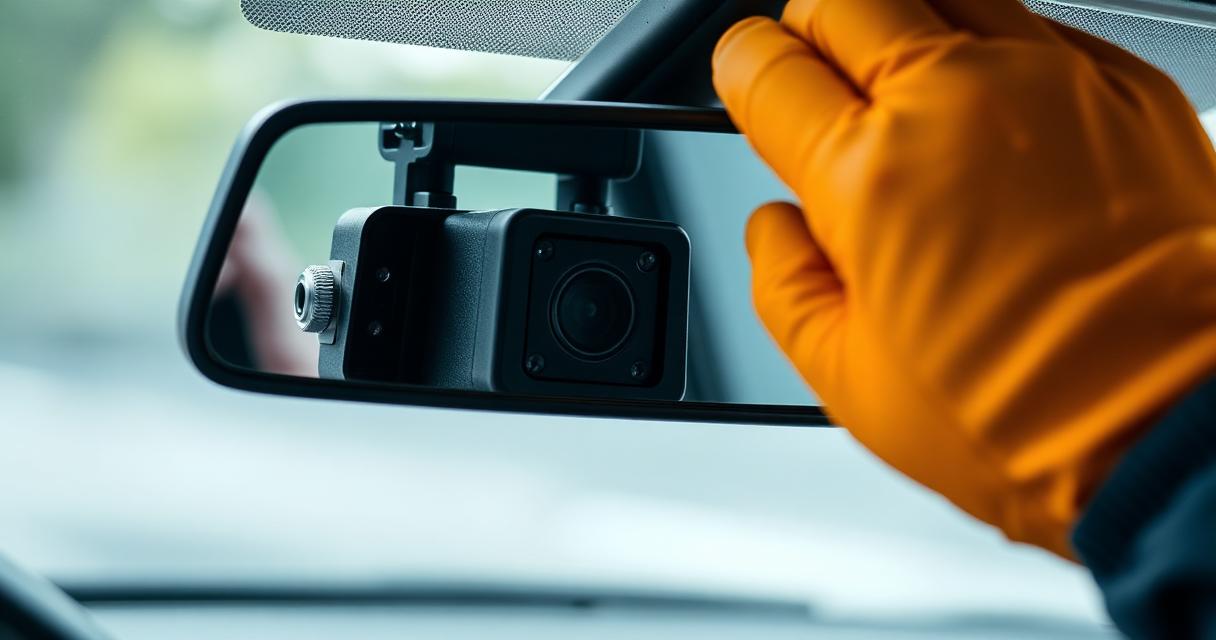
Modern vehicles do far more than absorb an impact and get a dent repaired. Many now rely on Advanced Driver Assistance Systems (ADAS) to monitor traffic, maintain lane position, detect vehicles in blind spots, warn about potential collisions, and in some situations automatically brake or steer. These functions depend on cameras, radar, ultrasonic sensors, and other components working from very precise positions.
That precision is why ADAS calibration deserves attention after a collision. A sensor does not necessarily need to be visibly broken to be inaccurate. A bumper, grille, windshield, mirror, suspension component, or mounting bracket can shift during an impact or repair. Even a small change in the relationship between a sensor and the road can affect what the vehicle's computer interprets.
The Insurance Institute for Highway Safety (IIHS) notes that crash-avoidance technology is increasingly widespread and that systems such as front crash prevention, lane departure prevention, blind spot detection, and rear crash prevention can reduce crashes in real-world driving. The technology is therefore not simply an optional convenience; it is becoming an important part of the vehicle's safety architecture.
What Systems Can Be Affected?
The exact equipment varies by make, model, trim, and year. Common ADAS functions include:
| ADAS Function | Typical Sensor/Input | Why Collision Repair Can Matter |
|---|---|---|
| Forward collision warning / AEB | Front camera and/or radar | Front-end damage, bumper work or sensor movement can affect detection. |
| Lane departure / lane centering | Forward-facing camera | Windshield replacement or camera-area disturbance can affect lane recognition. |
| Adaptive cruise control | Radar and/or camera | Front bumper, grille or mounting changes can alter sensor positioning. |
| Blind-spot monitoring | Side/rear radar sensors | Rear-quarter, bumper or body repairs can affect sensor placement. |
| Surround-view cameras | Multiple exterior cameras | Mirror, bumper or body repairs can change camera position or coverage. |
When Should Calibration Be Considered?
There is no single rule that applies to every vehicle. The correct procedure depends on the manufacturer's repair information and the systems installed on the vehicle. However, calibration or a calibration check may be appropriate after events such as a collision, windshield replacement, front or rear bumper replacement, camera or radar replacement, suspension work, wheel alignment, or repairs that disturb a sensor's mounting location. A dashboard warning can also be a reason to have the system diagnosed rather than simply resetting the warning.
One important point is that a vehicle can drive normally after a repair and still have an ADAS issue. Steering may feel fine, the engine may run normally, and the exterior may look excellent while a camera or radar system is operating outside its intended alignment. That is why calibration should be considered alongside the mechanical and cosmetic parts of collision repair.
Static vs. Dynamic ADAS Calibration
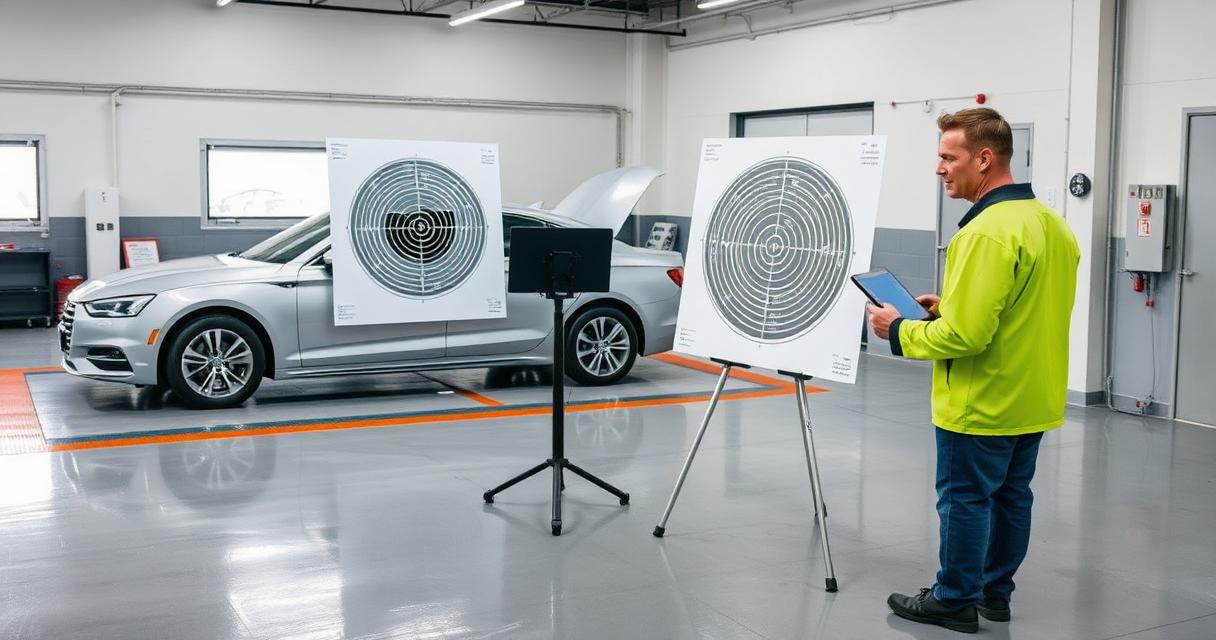
Calibration generally falls into two broad categories. Static calibration is performed in a controlled repair environment. Technicians use manufacturer-specific targets, measurements, diagnostic equipment, and carefully controlled vehicle conditions. The target's distance, height, angle, and position can matter significantly.
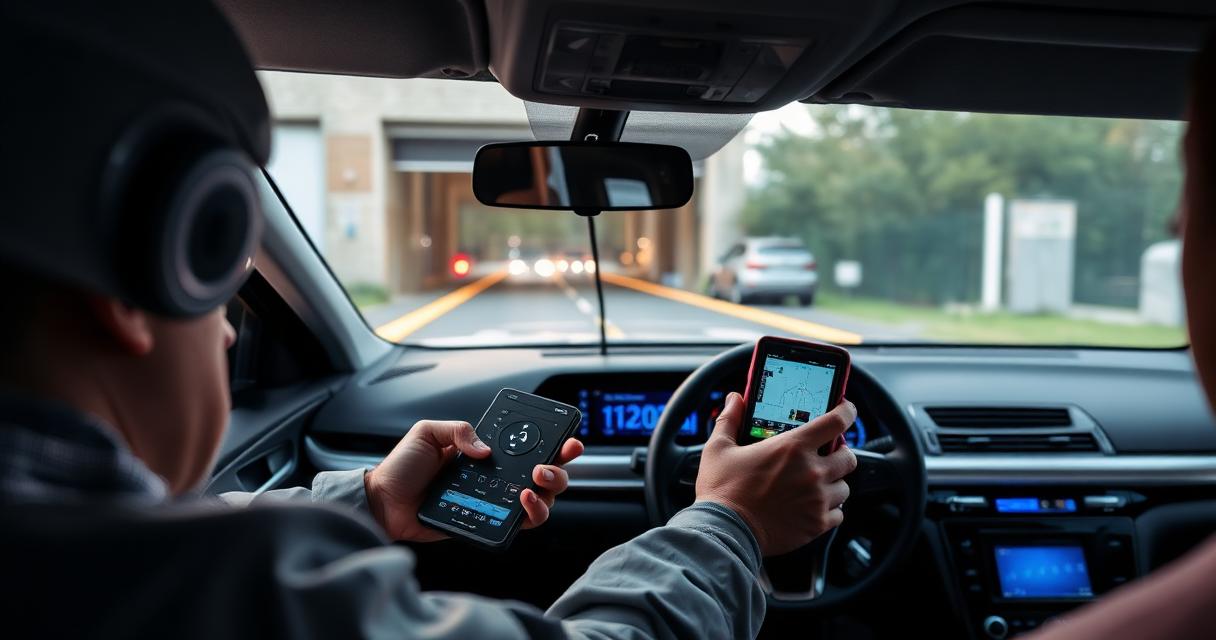
Dynamic calibration is performed while the vehicle is driven under specified conditions. The vehicle's diagnostic system monitors the relevant sensor while the technician follows the manufacturer's requirements for speed, road type, lane markings, and other conditions. Some vehicles require static calibration, some dynamic calibration, and some require a combination of procedures.
| Static Calibration | Dynamic Calibration | Both May Be Required |
|---|---|---|
| Controlled shop environment; targets and measurements are used. | Performed during a controlled road drive using vehicle diagnostics. | Vehicle-specific procedures determine whether one or both are needed. |
Real-World ADAS Data: Why Accuracy Matters
ADAS performance varies by vehicle and system. In IIHS testing, for example, the 2024 Hyundai Tucson's front crash prevention system avoided collisions in several 31 mph and 37 mph test scenarios, while at 43 mph it reduced impact speed by 29 mph against a centered passenger-car target. These tests illustrate how much safety performance can depend on a system correctly identifying and responding to an object. They are not a guarantee of performance for every vehicle or driving situation.
For broader background on ADAS technology and real-world crash-avoidance findings, see the IIHS advanced driver assistance research.
Questions to Ask Your Collision Repair Shop
- Does my vehicle require ADAS calibration after the repairs being performed?
- Which sensors or cameras were inspected or calibrated?
- Are manufacturer-specific procedures being followed?
- Will I receive documentation showing that the required calibration or diagnostic procedure was completed?
- If a system cannot be calibrated, will the repair team explain why and what needs to happen next?
Good collision repair is about more than restoring the vehicle's appearance. The goal is to return the vehicle as closely as possible to its intended structural, mechanical, electronic, and safety performance. Because ADAS is integrated into many modern vehicles, calibration can be an important part of that process.
To learn more about collision repair and ADAS services, visit Collision Pros.